

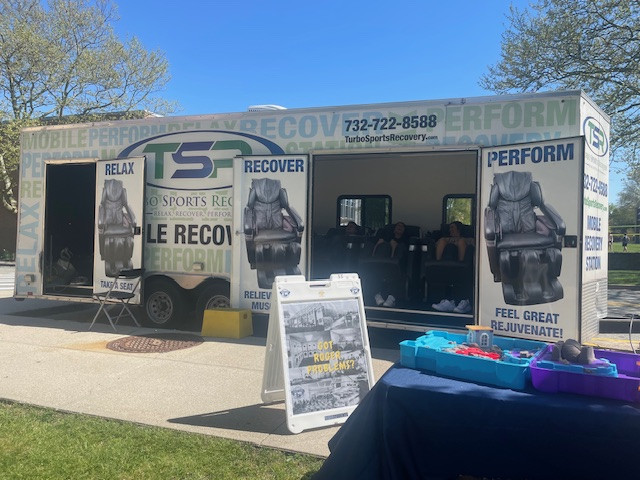
A packed calendar, a stressful deadline, and another meeting that runs long can drain a team before the workday is over. HR professionals can hire a Mobile Recovery Station to improve morale and productivity by giving employees a real, on-site moment to pause, decompress, and return feeling more supported.
This is not about turning the office into a spa or promising that one wellness event will solve burnout. It is about creating a thoughtful experience that recognizes the physical and mental load people carry at work. A polished massage chair recovery experience can feel like a meaningful benefit because it is easy to use, immediately enjoyable, and available where employees already are.
Why a Mobile Recovery Station Works at Work
Wellness perks often struggle when they require employees to do extra work. A stipend may go unused. A virtual wellness library may be forgotten. Even a great off-site experience can be hard to schedule around commuting, caregiving, and shifting workloads.
A Mobile Recovery Station brings the experience directly to the workplace. Employees can sit down for a focused session in an high-end massage chair, enjoy deep, hand-massage-inspired relaxation, and step back into their day without travel or complicated coordination. That convenience matters. When the path to recovery is simple, more people are likely to participate.
There is also a morale benefit that is hard to duplicate with a standard snack table or branded giveaway. A recovery station tells employees, “We want you to feel better while you are here.” It creates a visible moment of care, often sparking positive conversations across teams and giving people a reason to take a genuine break.
For organizations managing demanding periods – open enrollment, quarterly close, a major launch, healthcare staffing pressure, or peak customer volume – that reset can be especially welcome. The experience does not erase workload challenges, but it can make a hard week feel less overwhelming.
Morale Is More Than a Perk
Morale is shaped by everyday signals. Employees notice whether leadership respects their time, whether breaks are encouraged, and whether workplace benefits feel designed for real people rather than a checklist.
A mobile recovery event is tactile, memorable, and inclusive in a way many workplace initiatives are not. Rather than asking employees to download an app or attend another presentation, it invites them to sit, relax, and recover. Advanced massage chairs can accommodate a wide range of body types, ages, and comfort preferences, making the experience approachable for many members of the team.
The strongest morale impact usually comes from how the event is positioned. Treat it as a thank-you, a seasonal reset, an employee appreciation moment, or part of a broader wellbeing program. Encourage participation without pressure. Some employees will be eager to experience a massage chair session; others may prefer a quiet break or simply appreciate that their employer created the option.
That choice is essential. Recovery should feel welcoming, not mandatory or performative.
The Productivity Case: Better Breaks, Not Longer Days
Productivity conversations can become unrealistic when wellness is framed as a quick fix. Massage chair sessions are not a substitute for reasonable staffing, manageable expectations, flexible schedules, or supportive leadership. They are one practical part of a healthier workplace experience.
Still, short breaks can serve a purpose. A person who has been sitting at a desk, standing on a clinical floor, traveling between meetings, or carrying event responsibilities may welcome a chance to settle their body and clear their head. When employees return to work feeling calmer and physically more comfortable, they may be better prepared to focus, communicate, and handle the next task.
The key is to protect the time. If people believe they will come back to a pile of messages or be judged for stepping away, participation will drop. HR and managers can make the event more effective by clearly communicating that sessions are approved workday breaks and by helping teams plan coverage when necessary.
For a small office, that may mean offering massage chair sessions across a few hours. For a larger employer, it may mean running the Station across shifts or over multiple days. The right format depends on headcount, scheduling complexity, and the reason for the event.
How to Plan a Recovery Event Employees Will Actually Use
Start with the outcome you want to create. If your goal is employee appreciation, a single high-energy event may be perfect. If your organization is responding to an intense season, a quieter multi-day activation may give more employees access. For recruiting or a workplace open house, the station can also help create an experience guests remember.
Then consider the practical details early. A quality mobile recovery provider should handle the placement, setup, operation, and wrap-up so your team is not left managing heavy equipment or complicated event logistics. You will still want to identify the optimal placement for the Mobile Recovery Station and the power supply.
Promotion should be simple and specific. Tell employees when and where the station will be available and how long a session lasts. Let them know what to expect: a comfortable chair-based experience designed for relaxation and recovery, with no need to change clothes or prepare in advance. Avoid overselling medical outcomes. Massage chairs can provide a soothing recovery experience, but they should not be presented as medical treatment.
Make the Investment Feel Intentional
The difference between an employee wellness event that gets talked about and one that gets overlooked is often leadership participation. When managers use the recovery station themselves, remind teams to take their scheduled break, and thank employees for their work, the event becomes part of the culture rather than an isolated perk.
It also helps to connect the experience to a meaningful moment. Consider employee appreciation week, a post-project celebration, a wellness fair, an onboarding event, finals week on a campus, or a recovery-focused activation for healthcare and frontline teams. A Mobile Recovery Station can fit almost anywhere people are asked to give a lot of energy.
Your Kneaded Escape creates Mobile Recovery Stations that bring a polished, plug-in relaxation experience directly to workplaces and events. The goal is straightforward: make it easier for people to relax, recover, and perform without adding another item to HR’s already full operational list.
Measure What Matters After the Event
You do not need an elaborate reporting system to learn whether the experience was worthwhile. Track participation and ask a few short questions afterward. Did employees feel appreciated? Would they use the station again? Did the event make it easier to take a real break during the day?
Open comments can be particularly useful. They may reveal that employees want longer availability, a more private location, coverage for another shift, or a recurring recovery day. They can also help HR identify whether a one-time event should become a seasonal tradition or whether another wellbeing investment would better fit the organization.
The best workplace benefits are not always the loudest. Sometimes the most meaningful gesture is a comfortable massage chair, a few quiet minutes, and clear permission to step away from the pressure. Give your people room to breathe, and they may return to the work in front of them feeling genuinely seen.