

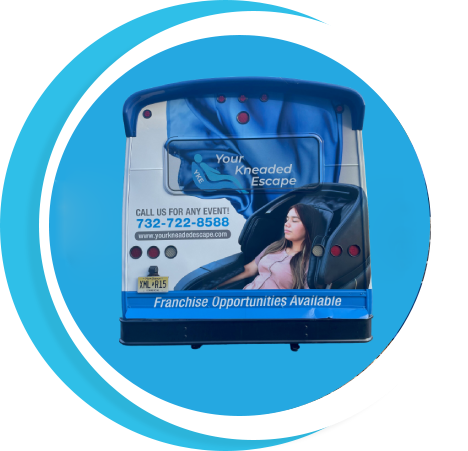
A great wellness experience does not need a permanent spa, a large staff, or a complicated buildout. It needs to arrive where people already are, look polished, and give guests a real chance to relax, recover, and perform. That is the appeal of learning how to launch a Mobile Recovery Station franchise: you are building a service that can support busy workplaces, athletic events, healthcare teams, campuses, and celebrations without asking the client to create space for a full-time wellness program.
This business provides the opportunity to create an experience people remember – one that feels easy for the organizer and restorative for every guest who sits down. A strong launch combines practical planning with dependable service, so your local market sees you as a trusted recovery partner from the first event onward.
Start With the Right Local Opportunity
Before committing to a territory, look closely at where mobile wellness has a natural place in the local calendar. The best markets usually have a healthy mix of employers, colleges, medical facilities, community events, sports organizations, conferences, and social venues. You do not need every category to succeed. You do need enough potential clients that your schedule can stay active across different seasons.
For example, corporate wellness bookings may be especially strong during employee appreciation weeks, benefit fairs, open enrollment periods, and end-of-year celebrations. Athletic programs may need recovery support around tournaments, races, training camps, and postseason events. Colleges can create demand during orientation, exam weeks, and student engagement programming. A balanced market helps prevent your business from relying on a single type of booking.
Spend time identifying the people who make decisions. HR leaders, workplace experience managers, athletic and tournament directors, race organizers, event planners, healthcare administrators, and university program coordinators all have different priorities. An HR manager may be focused on morale and retention, while an athletic director may care most about recovery and performance. Your sales message should meet each potential client where they are.
Understand What You Are Actually Selling
A Mobile Recovery Station is not just equipment rental. It is a climate-controlled 24-foot trailer outfitted with eight high-end massage chairs. Each session is a hosted, on-site wellness activation designed to make guests feel cared for. The advanced massage chairs provide deep, hand-massage-inspired relaxation while allowing participants to enjoy recovery on their own terms. That convenience is powerful for organizations that want a premium experience without coordinating individual massage appointments or building permanent wellness infrastructure.
Your value is in the complete service. You arrive with the Mobile Recovery Station, park it in the desired location, plug in, operate the event–creating a welcoming atmosphere and guiding guests through their massage chair experience–and wrap up when the event is over. Clients should feel that booking recovery support is as straightforward as booking any other professional event service.
That distinction matters when you price and market your offerings. Competing solely on a chair count or hourly rate can turn a high-value experience into a commodity. Instead, communicate the result: a break that helps employees decompress, athletes reset, students recharge, and guests feel genuinely appreciated.
Build a Practical Launch Budget
One reason a mobile recovery business can be appealing is that it may require less overhead than a fixed wellness studio. Still, lower overhead does not mean zero planning. You need enough working capital to operate confidently while your booking pipeline grows.
Your start-up budget should account for franchise fees and required initial investments. With a Your Kneaded Escape franchise, $50,000 gets you started with a brand new trailer plus eight high-end used massage chairs (fully warrantied by YKE’s in-house repair department). You will also need a 3/4-ton or one-ton pickup truck to pull the trailer. In addition, your start-up budget should account for insurance, business licensing, storage, local marketing, uniforms or branded materials, payment processing, and reserve funds for repairs or slower months. Since your model includes a vehicle and a trailer, consider fuel, maintenance, parking, and loading requirements from day one.
Ask clear questions about what is included in the franchise package and what you will source locally. Review all franchise disclosure materials carefully, and have qualified legal and financial professionals help you understand the commitment before signing. A franchise can provide a clearer operating system, brand support, and proven service structure, but ownership still requires thoughtful cash-flow management and local sales effort.
Set Up Operations Before Your First Booking
The guest experience is only as good as the setup behind it. Create a simple pre-event workflow for every client. Confirm the event date, arrival time, parking instructions, contact person, approximate guest count, power access, and any venue restrictions.
Your setup should feel calm and intentional. Keep chairs clean and well maintained. A short welcome script can help guests understand what to expect, especially first-time users or people who are unsure whether a massage chair is right for them. The goal is inviting, never pushy.
Learn How to Launch a Mobile Recovery Station Franchise With Sales First
Many new owners put most of their energy into equipment and branding, then wait for inquiries to appear. A better approach is to begin selling before your launch date. Build a short list of organizations that regularly invest in employee wellbeing, hospitality, athletics, or event programming, then start conversations early.
Lead with a specific occasion rather than a general pitch. Instead of asking whether a company wants wellness services, ask whether they are planning an employee appreciation event, a leadership retreat, a benefits fair, or a high-pressure deadline week. For schools and sports programs, connect the conversation to exam support, team recovery, tournament weekends, or parent appreciation.
A useful introductory offer can lower the barrier for first-time clients, but avoid training the market to expect bargain pricing. A brief demonstration, a pilot event, or a clearly scoped first booking may be more effective than a steep discount. Once organizers see their guests lining up for a moment of calm, repeat bookings become much easier to earn.
Keep your outreach personal. A short call, thoughtful email, or in-person introduction can work well when it recognizes the realities of the organizer’s role. They are often managing many moving parts. Show them that you will make their job easier.
Create Packages That Match Real Client Needs
Your packages should be simple enough to understand quickly while still flexible enough to fit different groups. A pop-up for a small office, a full-day employee appreciation event, a campus wellness activation, and a multi-day athletic tournament should not all be quoted the same way.
Consider variables such as total service hours, travel distance, event duration, and expected guest volume. For larger events, shorter massage chair sessions can reduce wait times and make the experience feel more inclusive.
Be transparent about what the client receives. Explain setup, operation, wrap-up, event coordination, and any travel or venue-related charges. Clear proposals build trust and help clients get internal approval faster.
Protect Your Reputation Through Consistency
In a mobile service business, your reputation travels before you do. A late arrival, a preventable equipment problem, or vague communication can affect more than one booking. On the other hand, a calm, prepared, friendly operation gives planners confidence to invite you back and recommend you to colleagues.
Maintain the chairs on a schedule, not only when something goes wrong. Learn the basics of inspection, cleaning, and troubleshooting. Build relationships with qualified repair and logistics support so you have a plan when equipment needs professional attention. Your Kneaded Escape is built around this complete recovery ecosystem because reliable chair service is part of protecting the client experience.
After every event, follow up while the experience is still fresh. Thank the organizer, ask what guests enjoyed, and find out whether another date is already on the horizon. Positive feedback can become a testimonial, but the larger goal is a recurring relationship. Regular clients create more predictable revenue than constantly chasing one-time bookings.
Grow at a Pace You Can Deliver Well
When demand starts to build, resist the urge to accept every event without considering travel time and logistics. Growth should make your business stronger, not create rushed setups and exhausted service standards. Add service coverage when the numbers and booking pattern justify it.
The most successful operators become known for making recovery easy. They show up prepared, create an experience to remember, and give people a genuine pause in the middle of a demanding day. Start with the clients you can serve exceptionally well, then let that care become the reason your next booking calls.